
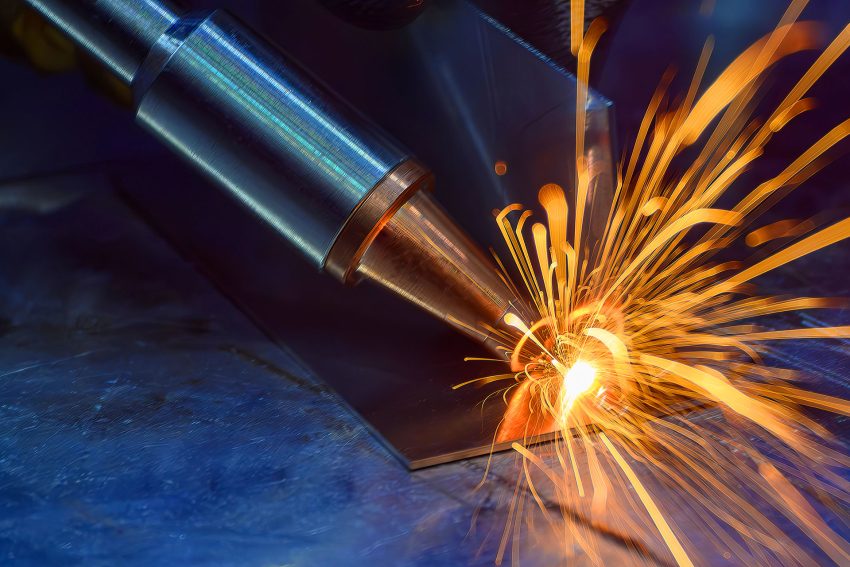
Handheld laser welding is changing the way fabrication shops approach precision joining. It is fast, efficient, and remarkably easy to learn compared to many traditional welding methods. Yet behind that speed and simplicity sits a powerful reality: handheld laser welding equipment is a Class 4 laser system, one of the highest-risk laser classifications available in industrial manufacturing. That means safety cannot be treated as an afterthought.
A successful handheld laser welding program depends on more than proper technique. It requires a clear understanding of laser hazards, operator training, protective equipment, and workplace controls that keep everyone in the workshop safe.
Why Handheld Laser Welding Demands Extra Attention
Welders are already familiar with many workplace hazards. Electrical risks, hot surfaces, welding fumes, noise, ultraviolet radiation, and fire hazards are all part of the trade. Handheld laser welding introduces another layer.
Unlike conventional arc welding, the process creates concentrated laser beams that can be hazardous through both direct exposure and reflected energy. In many systems, the laser operates in the near-infrared spectrum, meaning the beam may not even be visible to the human eye. Invisible hazards tend to be the most deceptive ones.
A quick glance at an arc may cause discomfort. A direct or mirror-like reflected laser beam can cause permanent eye damage almost instantly.
Understanding the Biggest Laser Hazards
The most serious risk associated with handheld laser welding is beam exposure. Both direct beams and reflected beams have the potential to injure operators or bystanders. Highly polished or reflective metals, such as aluminum and copper, deserve special attention. Before the laser-generated plasma fully develops, a portion of the beam can reflect from the workpiece like light bouncing from a mirror.
These reflections may only last fractions of a second, but that is enough to create a serious hazard.
Key laser hazards include:
- Direct Laser Beam Exposure
- Specular (Mirror-Like) Reflections
- Skin Exposure to Infrared and Ultraviolet Radiation
- Burns from Heat and Molten Material
- Fire Risks Around Combustible Materials
The safest assumption is simple: every laser beam and every reflection should be treated as potentially dangerous.
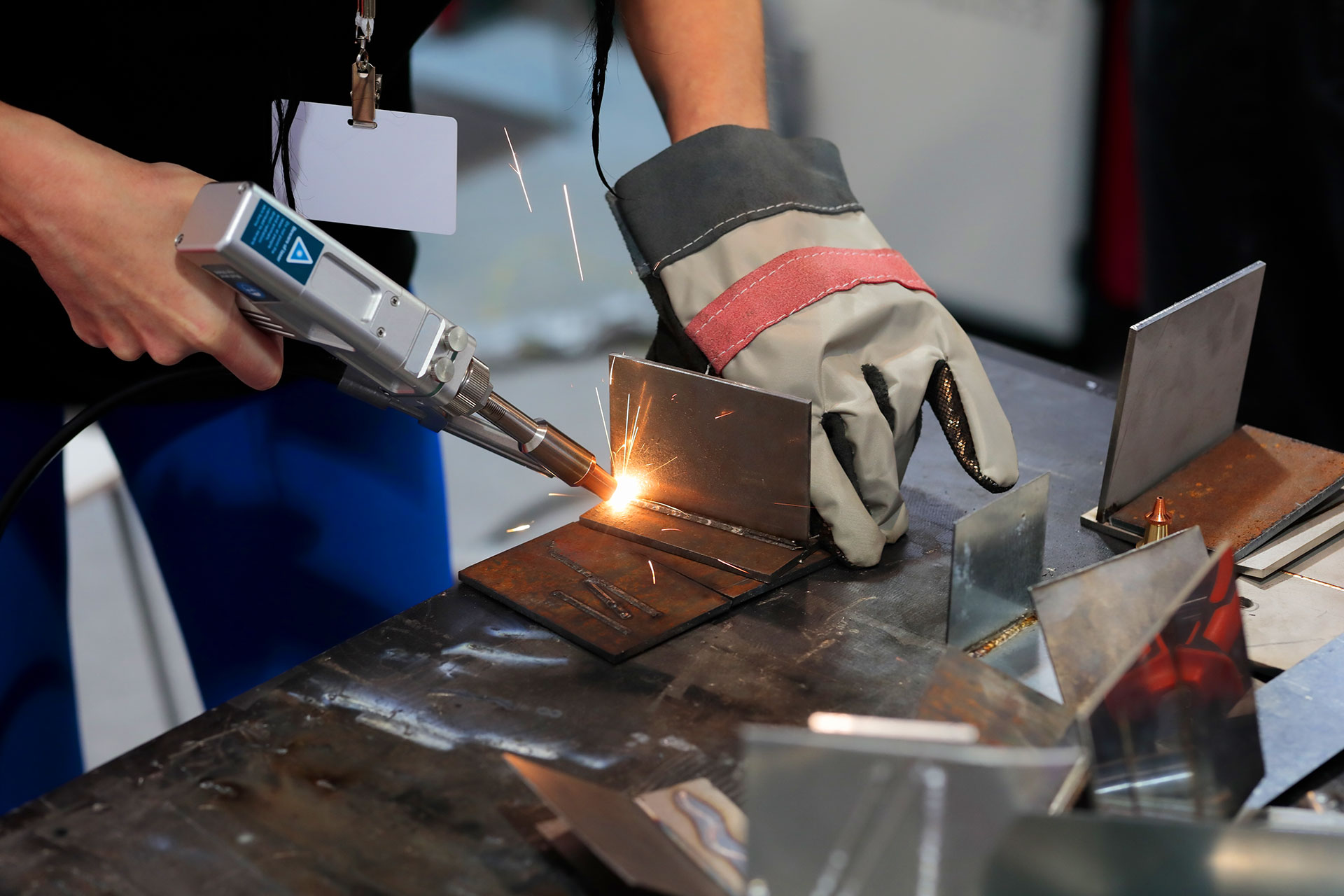
Protecting Your Eyes Comes First
Eye protection is the single most critical part of handheld laser welding safety. Laser energy can damage both the retina and the cornea, sometimes without any immediate warning signs. Because many laser wavelengths are invisible, operators cannot rely on instinct to avoid exposure. Laser safety eyewear must match the wavelength and optical density recommended by the equipment manufacturer. These glasses are specifically designed to reduce the effects of direct, reflected, and scattered laser radiation.
Equally important, standard safety glasses and conventional welding helmets are not enough.
Handheld laser welding requires a dedicated laser-safe welding helmet combined with approved laser safety eyewear underneath. Before every shift, operators should inspect lenses, frames, and helmet components for scratches, cracks, or improper fit. Protection only works when it is in good condition.
Skin Safety Is More Than Avoiding Burns
Laser welding safety is not only about vision. Skin exposure also deserves attention. Infrared radiation, ultraviolet light from the welding plasma, hot metal, and sparks can all cause injury. Repeated exposure to UV radiation may contribute to long-term skin damage and increase the risk of skin cancer.
Appropriate personal protective equipment should always include:
- Laser Safety Eyewear
- Laser-Rated Welding Helmet
- Heat-Resistant Gloves
- Flame-Resistant Clothing
- Protective Sleeves and Closed-Toe Footwear
Good habits matter. Never point the torch toward another person, even when the system appears inactive.
Built-In Safety Features Matter
Modern handheld laser welding systems increasingly include integrated safeguards designed to reduce operator risk. These technologies should not replace safe work practices, but they provide an important second layer of protection.
Look for equipment that includes features such as:
- Key Switches to Prevent Unauthorized Use
- Emergency Stop Buttons
- External Interlock Connections
- Two-Stage Torch Triggers
- Plasma Detection Systems
- Workpiece Contact Circuits
- Fiber Optic Integrity Monitoring
For example, plasma detection systems monitor whether a proper welding plasma has formed. If the torch is pointed away from the workpiece or plasma is not detected, the machine automatically shuts off laser emission. Likewise, workpiece contact circuits ensure that the laser activates only when the torch is correctly positioned against the material being welded.
Smart systems help prevent simple mistakes from becoming serious accidents.
Creating a Laser Controlled Area
A safe workshop requires more than safe equipment. The work environment itself must be designed to manage laser hazards. Handheld laser welding should be performed inside a designated Laser Controlled Area, often referred to as an LCA. This controlled space helps contain both direct and reflected laser beams while restricting access to trained personnel.
A properly designed LCA should include:
- Laser-Blocking Barriers or Panels
- Controlled Access Doors
- Interlock Safety Systems
- Clearly Posted Warning Signs
- Restricted Entry During Welding Operations
Transparent welding curtains designed for traditional arc welding are not automatically suitable for laser work. Any barriers or viewing windows used around handheld laser operations should be specifically rated for laser protection.
The Critical Role of the Laser Safety Officer
Every organization using Class 4 laser equipment should appoint a qualified Laser Safety Officer, or LSO. The LSO oversees the safe implementation of laser operations and ensures that operators understand both beam and nonbeam hazards. Responsibilities typically include evaluating work areas, approving operating procedures, verifying safety controls, and coordinating operator training.
The position is not simply administrative. It acts as the bridge between advanced technology and practical workplace safety. A strong safety culture begins with leadership and consistent education.
Training Is the Foundation of Safe Operation
Technology alone cannot eliminate risk. Even the most advanced handheld laser welding system depends on knowledgeable operators who understand how to work safely. Every user should read the equipment manual, understand the warning labels, and receive formal instruction before operating the system. Installation, maintenance, and repairs should be performed only by qualified personnel.
Training should also include emergency procedures, proper PPE use, hazard recognition, and safe setup of the Laser Controlled Area. The goal is not just compliance. It is confidence.
Final Thoughts
Handheld laser welding offers extraordinary advantages for modern fabrication shops. It can improve precision, reduce distortion, speed production, and simplify certain welding tasks. But the same concentrated energy that makes the process so effective also creates unique safety challenges. The best workshops understand that productivity and protection are not competing priorities. They work together.
By combining proper PPE, built-in machine safeguards, Laser Controlled Areas, qualified Laser Safety Officers, and ongoing operator training, manufacturers can enjoy the benefits of handheld laser welding while creating a safer environment for everyone on the floor.
Frequently Asked Questions
Why Is Handheld Laser Welding Considered High Risk?
Handheld laser welding systems are classified as Class 4 lasers, meaning they can produce hazardous direct and reflected beams capable of causing severe eye and skin injuries.
Do Standard Welding Helmets Protect Against Laser Beams?
No. Conventional welding helmets and standard safety glasses do not provide adequate laser protection. Operators should wear approved laser safety eyewear and a laser-rated welding helmet.
What Is a Laser Controlled Area (LCA)?
A Laser Controlled Area is a designated workspace with laser-blocking barriers, warning signs, and restricted access designed to protect operators and bystanders from laser exposure.
What Does a Laser Safety Officer Do?
A Laser Safety Officer oversees laser operations, conducts hazard assessments, approves safety procedures, and ensures operators receive proper training.
Why Are Reflective Metals More Dangerous During Laser Welding?
Materials like aluminum and copper can create mirror-like reflections before the welding plasma fully develops, potentially directing hazardous laser energy away from the workpiece.
What Built-In Safety Features Should a Handheld Laser Welding System Have?
Important features include emergency stop buttons, key switches, plasma detection systems, workpiece contact circuits, external interlocks, and two-stage torch triggers.
Source:
www.aws.org