
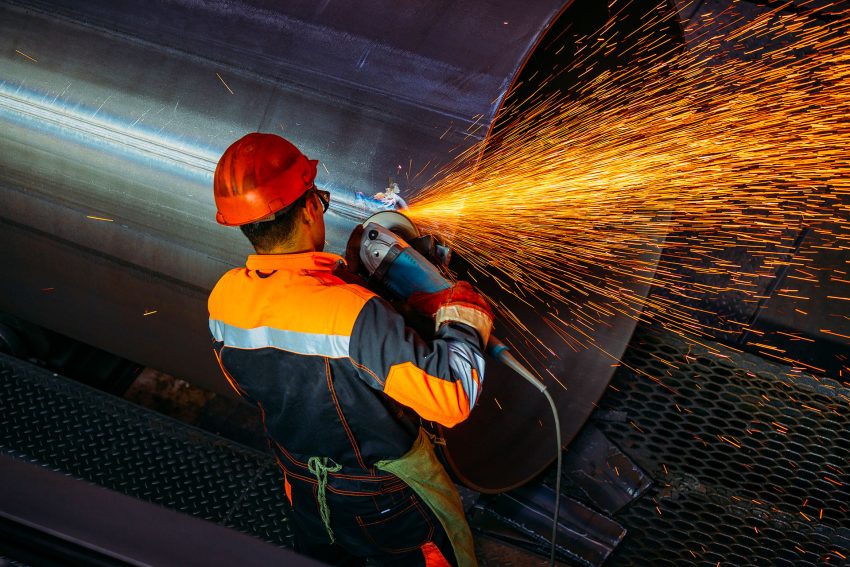
Stainless steel plays a major role in modern fabrication. From food processing equipment to shipbuilding and architectural structures, its corrosion resistance makes it a preferred material across many industries. But stainless steel behaves differently from carbon steel, especially during cutting and grinding operations.
That difference matters.
Working with stainless steel requires more than the right machine. It demands proper abrasive selection, careful handling, and controlled technique. Small mistakes can damage the protective oxide layer, create contamination, or force expensive rework.
Why Stainless Steel Requires Extra Attention
Stainless steel contains chromium, which forms a thin oxide layer across the surface. This layer protects the material against corrosion, rust, and oxidation. While highly beneficial, it is also vulnerable during fabrication.
If contaminants are introduced during grinding or cutting, the material may develop after-rust or surface defects later on. Stainless steel is also more expensive than standard carbon steel, so mistakes carry greater financial consequences. That means efficiency and cleanliness go hand in hand.
Choosing the Right Abrasive Products
One of the biggest mistakes fabricators make is using general-purpose abrasives on stainless steel. Many standard grinding and cutting wheels contain traces of iron, sulfur, or chlorine. Those materials can contaminate stainless surfaces and compromise corrosion resistance.
For stainless applications, operators should select contaminant-free abrasive products designed specifically for INOX applications.
Key features to look for include:
- Contaminant-free construction
- Ceramic grain technology for cooler grinding
- Products specifically labeled for stainless steel or INOX use
Ceramic grain abrasives offer another advantage. They self-sharpen during use, maintaining a consistent cut rate while reducing the need for excessive pressure.
Cross-Contamination Happens Easily
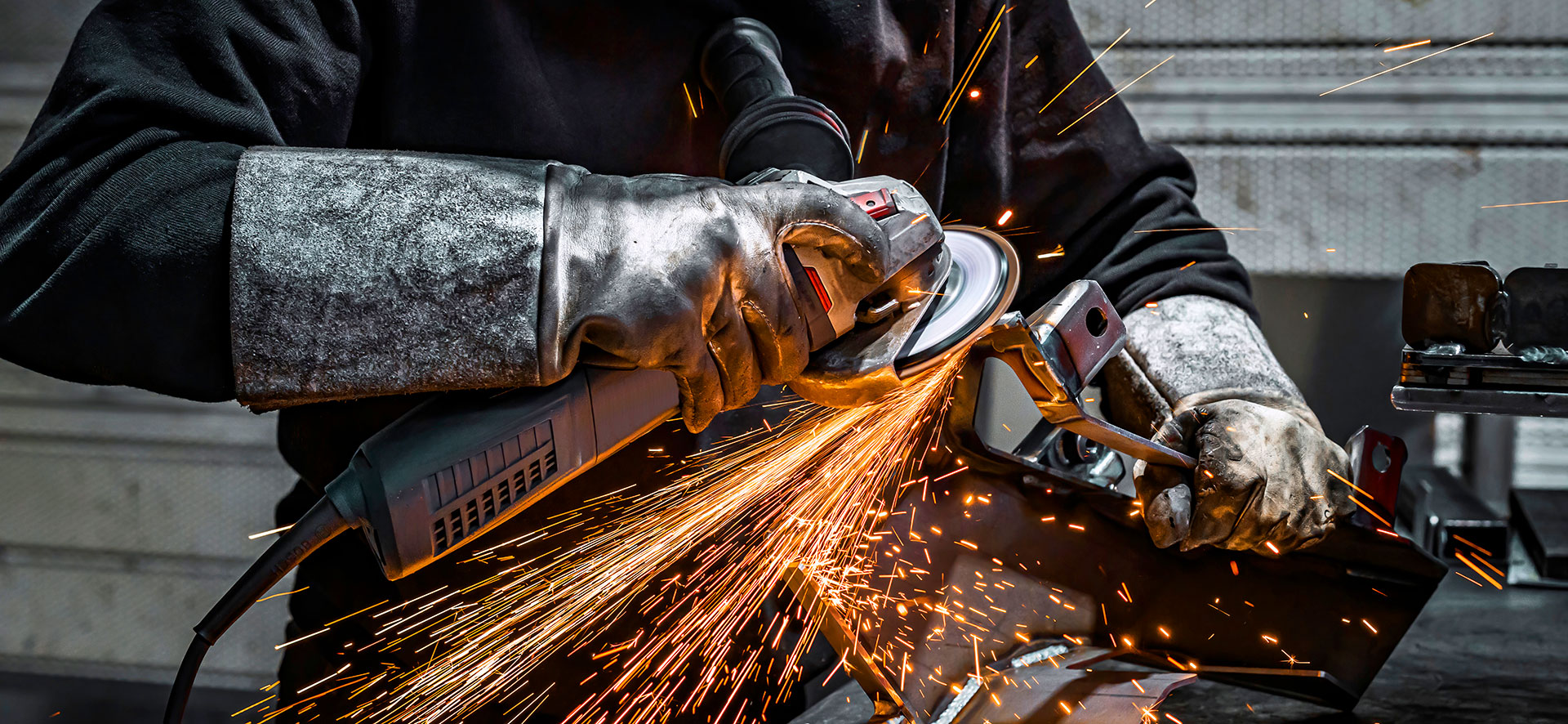
Stainless steel contamination does not always come from the grinding wheel itself. Storage and handling practices also play a major role.
Simply placing stainless steel on a carbon steel shelf can transfer contaminants. Using an abrasive wheel previously applied to carbon steel can create similar problems.
Many fabrication shops now separate stainless and carbon steel work areas completely. Others use barriers such as wood or noncontaminating surfaces between materials.
Preventing contamination often requires attention to small details:
- Dedicated abrasive wheels for stainless applications
- Separate storage areas for stainless materials
- Physical barriers between carbon and stainless steel operations
These precautions reduce the risk of hidden contamination that may only appear later as corrosion or discoloration.
Heat Is the Biggest Enemy
Heat management becomes critical when grinding stainless steel. Excessive pressure or lingering too long in one area creates surface discoloration and may damage the material. The problem often begins when operators feel that stainless steel is cutting more slowly than carbon steel. In response, they press harder against the material.
That approach usually makes things worse.
Proper grinding technique relies on smooth, fluid movement. Longer strokes help distribute heat more evenly across the surface. Light to moderate pressure allows the abrasive to work efficiently without overheating the metal. If heavy pressure feels necessary, the abrasive may simply be the wrong product for the job.
Operator Technique Matters
Even the best abrasive products cannot compensate for poor technique. Stainless steel rewards controlled, steady handling.
Effective grinding habits include:
- Maintaining constant movement
- Avoiding excessive dwell time in one spot
- Allowing the abrasive to cut naturally without forcing it
These habits improve finish quality while extending abrasive life.
New Abrasive Technologies Improve Results
Advancements in abrasive technology continue to improve stainless steel fabrication. Modern ceramic grain products maintain sharper cutting edges for longer periods, reducing labor and improving consistency. Aluminum oxide abrasives also remain useful for general-purpose stainless work when designed specifically as contaminant-free products.
The right combination of abrasive design and operator technique can significantly reduce rework while improving production efficiency.
Optimizing Stainless Steel Fabrication
Cutting and grinding stainless steel successfully comes down to preparation and discipline. Proper abrasive selection, contamination prevention, and heat management all work together to protect the material’s unique properties.
Stainless steel is valuable because of its durability and corrosion resistance. Preserving those characteristics during fabrication should always remain the priority.
Frequently Asked Questions
Why can’t regular grinding wheels be used on stainless steel?
Many standard abrasive wheels contain iron or other contaminants that can damage the stainless surface and cause after-rust.
What causes discoloration when grinding stainless steel?
Excessive heat buildup from too much pressure or lingering in one spot often causes discoloration and surface damage.
Why are ceramic abrasives recommended for stainless steel?
Ceramic grains self-sharpen during use, maintain a consistent cut rate, and reduce heat buildup during grinding.
Can the same abrasive wheel be used on carbon steel and stainless steel?
No. Using a wheel previously used on carbon steel can transfer contaminants onto stainless steel surfaces.
Source:
www.aws.org/magazines-and-media