
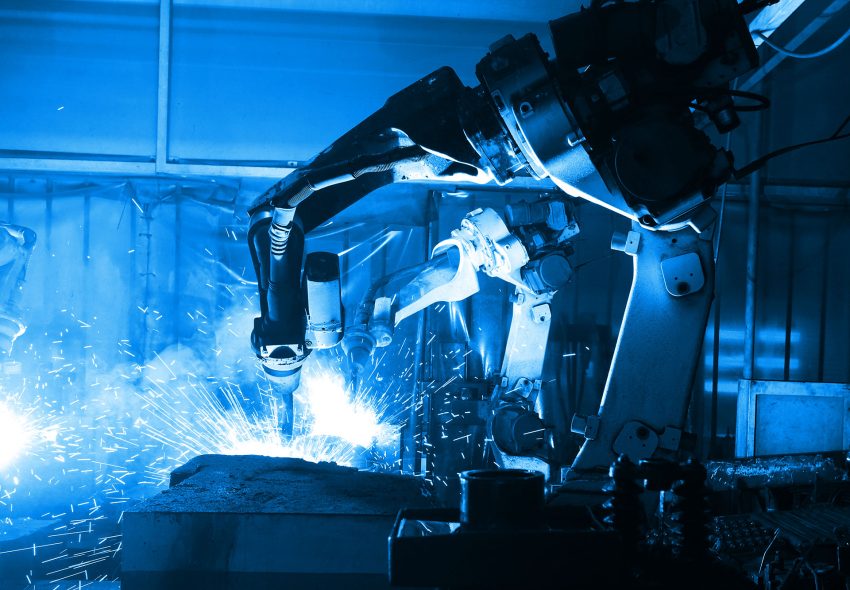
Collaborative welding automation has changed dramatically over the past several years. What began as a practical solution for simple welding applications has evolved into a flexible, high-powered manufacturing technology capable of handling advanced welding, cutting, and material processing tasks.
Today’s cobot welding systems do far more than automate repetitive welds. They improve productivity, reduce operator fatigue, enhance weld consistency, and expand what smaller fabrication shops can realistically achieve.
The technology continues to evolve quickly.
The First Wave of Cobot Welding
Early collaborative welding systems focused primarily on straightforward gas metal arc welding applications. These first-generation systems targeted repetitive production work where consistency and efficiency mattered most.
The appeal was immediate.
Compared to traditional industrial robots, cobots offered several practical advantages:
- Lower Total Cost of Ownership
- Built-In Safety Features for Shared Workspaces
- Compact Footprints Suitable for Smaller Shops
- Faster Deployment and Easier Programming
Gas metal arc welding proved to be an ideal starting point because of its flexibility. From thin-gauge steel to heavy agricultural equipment, GMAW cobots handled a broad range of fabrication tasks with relatively simple programming requirements.
The Rise of Advanced Cobot Applications
As collaborative automation matured, manufacturers pushed beyond basic GMAW operations. A second generation of cobot welding systems emerged with expanded functionality and improved process control. Gas tungsten arc welding soon entered the picture.
Unlike GMAW, GTAW demands much greater precision and process management. Materials such as titanium, aluminum, stainless steel, and exotic alloys require tighter arc control and more refined motion accuracy. New cobot systems adapted quickly. Features such as weaving patterns, stitch welding, automatic voltage control, and touch sensing expanded what collaborative systems could accomplish.
This shift transformed cobots from entry-level automation tools into capable production systems for demanding fabrication environments.
Moving Beyond Welding Alone
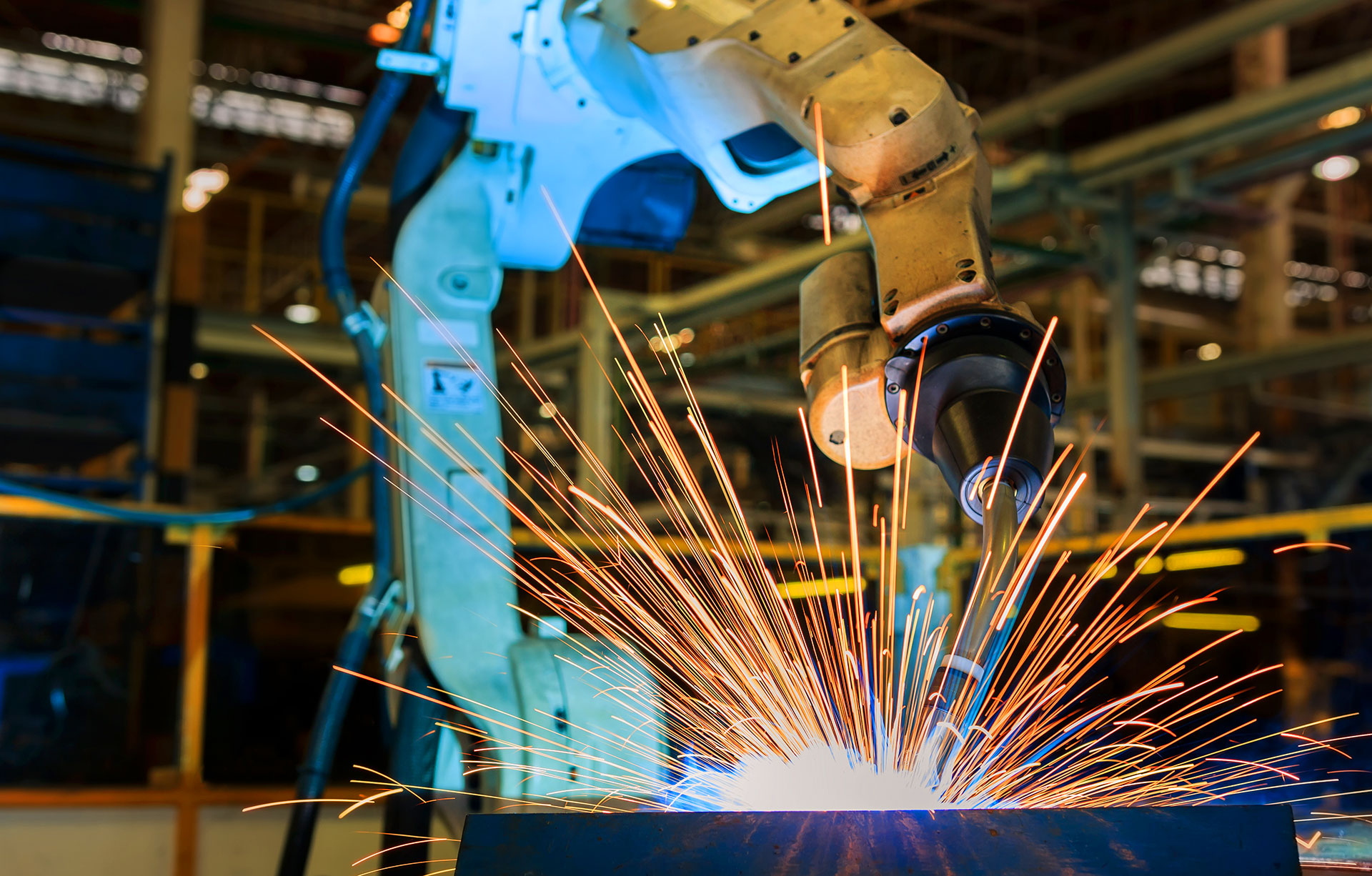
Modern cobots are no longer limited strictly to welding tasks. The same flexibility that made them attractive for welding also opened the door to additional industrial processes.
Collaborative systems now support:
- Plasma Cutting
- Thermal Spraying
- Plasma Welding
- Laser Welding
- Spot Welding
Advancements in cooling systems also played a major role. Early cobot systems were often air-cooled and struggled with high-amperage applications. Newer platforms now feature water-cooled torches capable of handling significantly heavier workloads. The result is a much broader application range.
Laser Welding Changes the Equation
One of the most significant developments arrived when cobot laser welding systems entered the market. Laser welding offers several advantages over conventional processes, especially when working with thin materials.
The process reduces:
- Distortion and Deformation
- Undercutting
- Burn-Through
- Excessive Heat Input
Laser welding also operates much faster than GTAW. In many applications, it can weld several times faster while maintaining high precision.
As compact handheld laser systems became more affordable, integrating them into collaborative welding cells became financially practical for a wider range of manufacturers.
Spot Welding Enters the Cobot World
Spot welding presented a challenge for early collaborative systems due to the size and weight of traditional welding guns. That changed with the development of lightweight spot welding tools designed specifically for cobot integration.
These systems increased manufacturing capacity significantly compared to manual spot welding operations. At the same time, they improved operator ergonomics and enabled digital tracking of every weld for quality control and traceability.
Longer Reach and Coordinated Motion
Newer cobot systems now offer longer reach capabilities and advanced coordinated motion features. Rotary tables, linear rails, and external positioners can move in synchronization with the robot arm. This coordination creates smoother workflows and minimizes manual repositioning of parts.
Fabricators benefit through:
- Increased Arc-On Time
- Faster Throughput
- Improved Efficiency on Complex Weldments
The ability to weld multiple parts or larger assemblies without interruption significantly increases productivity.
Bringing the Robot to the Workpiece
Traditional welding robots are typically fixed in place. Large workpieces must be transported to the robot cell, which can become difficult for oversized fabrications. Portable collaborative welding systems change that model entirely.
Lightweight cobots can now be moved directly to the workpiece itself. This approach is especially valuable in industries such as mining, shipbuilding, and heavy equipment manufacturing, where moving large structures is costly and impractical. Portable systems also improve safety by reducing operator exposure to difficult welding positions and hazardous environments.
The Future of Collaborative Welding
Cobot welding has evolved from a niche automation option into a practical production tool for modern fabrication. What once handled only simple welds now supports advanced welding, cutting, and positioning applications across multiple industries. The technology continues to move toward greater flexibility, smarter control systems, and easier operation.
For fabricators, that means collaborative automation is no longer just about replacing repetitive tasks. It is about creating more adaptable, efficient, and safer welding environments built around both human skill and robotic precision.
Frequently Asked Questions
What Is the Main Advantage of Cobot Welding?
Cobot welding improves consistency, productivity, and operator safety while remaining easier to program and deploy than traditional industrial robots.
Can Cobots Handle More Than Basic GMAW Applications?
Yes. Modern cobots now support GTAW, laser welding, plasma cutting, spot welding, thermal spraying, and other advanced fabrication processes.
Why Are Portable Cobots Important?
Portable cobots can be moved directly to large workpieces, reducing handling time and improving efficiency for oversized fabrications.
How Do New Cobot Features Improve Productivity?
Features such as coordinated motion, rotary tables, touch sensing, and extended reach increase arc-on time and reduce manual repositioning.
Are Modern Cobot Welding Systems Easier to Learn?
Yes. Many systems now use touch-to-teach programming, smartphone apps, and user-friendly interfaces that simplify training and operation.
Source:
www.aws.org/magazines-and-media