
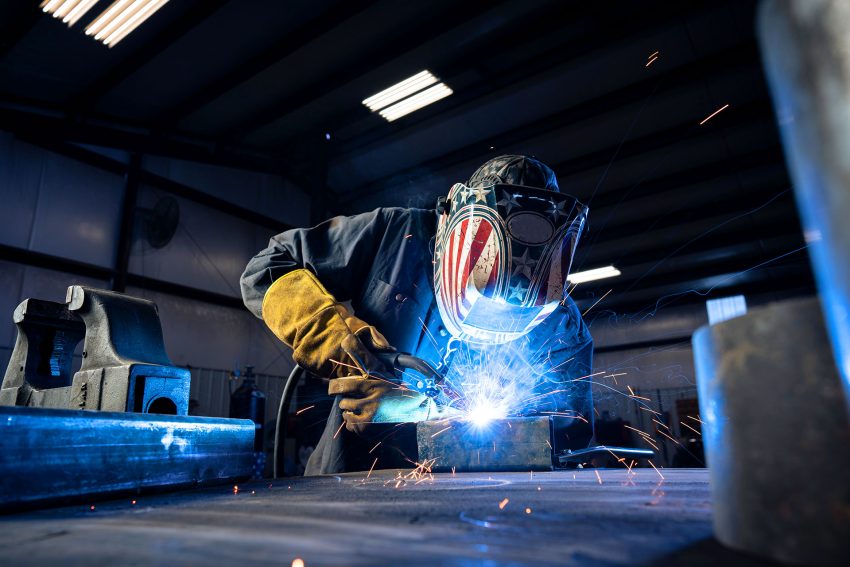
Gas metal arc welding remains one of the most widely used welding processes in fabrication today. It is versatile, efficient, and relatively approachable for newer welders. But successful GMAW depends on much more than simply pulling the trigger on a welding gun. Consumables drive the process. Every component inside the system affects arc stability, wire feeding, shielding coverage, and weld quality. When one consumable underperforms, the entire operation can suffer.
Understanding how these components work together helps welders produce cleaner welds, reduce downtime, and improve consistency across every application.
Why GMAW Consumables Matter
Unlike some other welding processes, GMAW relies on a continuously fed wire electrode combined with shielding gas protection. That means multiple consumable components must function in coordination at all times.
The core consumable system includes:
- Nozzles
- Shielding Gases
- Diffusers
- Contact Tips
- Liners
- Filler Metal Wire
Each part influences arc behavior and weld performance differently.
Nozzles Control Shielding Gas Coverage
The nozzle directs shielding gas around the weld pool. Proper gas coverage protects the weld from contamination and helps maintain arc stability. Nozzle selection depends heavily on access and amperage requirements. Larger nozzles generally provide better shielding coverage, but only if the joint geometry allows enough access. Straight, tapered, and bottleneck designs each serve different applications depending on visibility, clearance, and heat demands.
Material choice matters too.
For lower-amperage applications, brass nozzles resist spatter effectively. Higher-amperage operations often require copper nozzles because they tolerate heat better and reduce the risk of melting during extended arc-on time.
Shielding Gas Shapes the Weld
Shielding gas does more than protect the weld pool. It directly affects arc characteristics, penetration, spatter levels, and overall weld appearance.
Common shielding gas functions include:
- Protecting the Weld from Atmospheric Contamination
- Stabilizing the Arc
- Controlling Penetration Profiles
- Improving Mechanical Properties
- Reducing Spatter and Cleanup
The most common choices are pure CO2 or argon-CO2 mixtures such as 75/25 or 90/10 blends.
Selecting the wrong gas can create serious problems, including porosity, inclusions, cracking, and unstable arc behavior.
Diffusers Keep Gas Flow Consistent
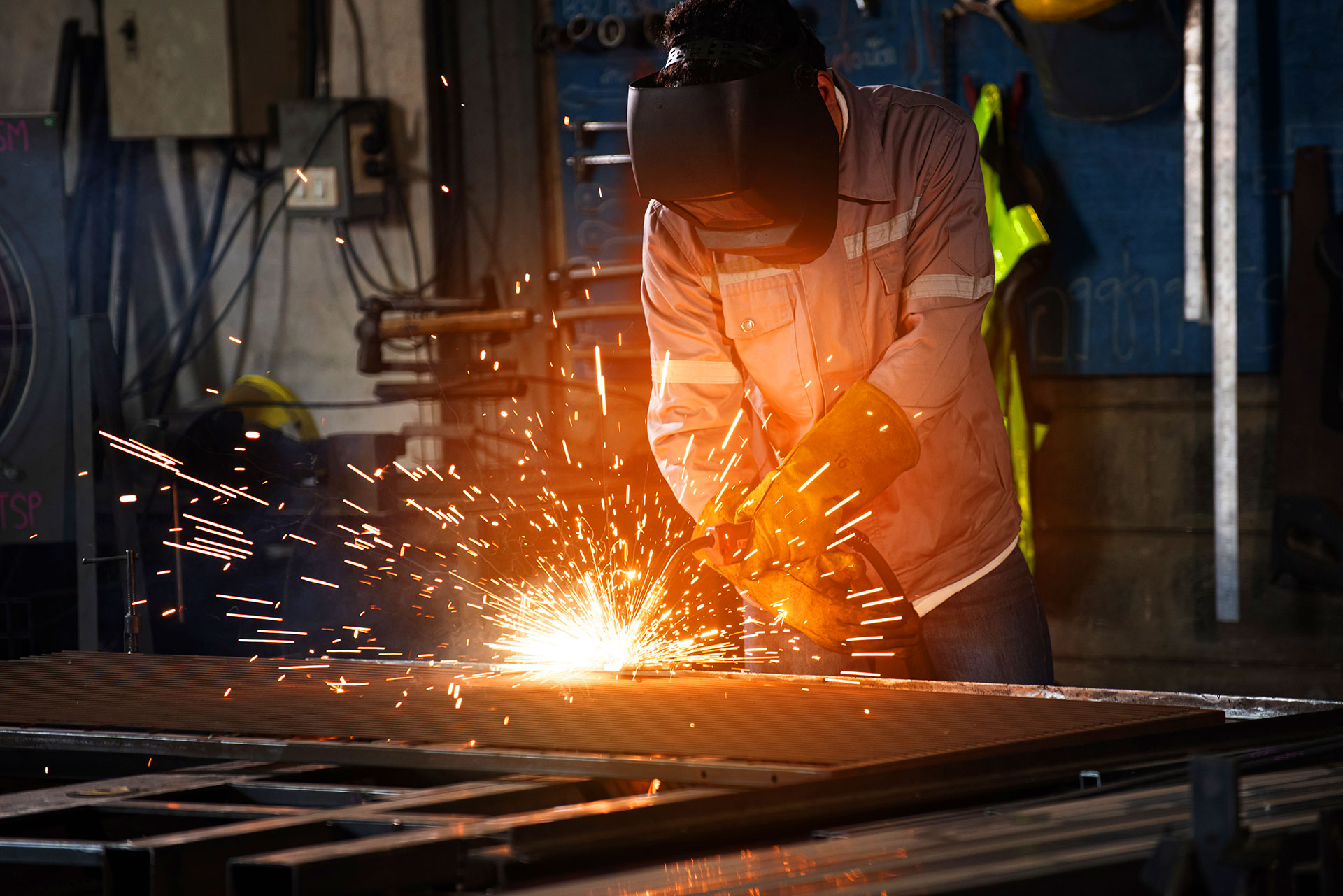
The diffuser helps distribute shielding gas evenly inside the nozzle while also assisting with cooling the contact tip. Even gas flow improves weld protection and supports stable arc performance. The small gas ports inside the diffuser must remain clean and unobstructed. Spatter buildup or debris can disrupt gas distribution and create inconsistent shielding coverage.
Sometimes the smallest component causes the biggest headache.
Contact Tips Direct the Arc
Contact tips perform two critical functions simultaneously. They guide the wire and transfer electrical current into the electrode wire. Without proper electrical contact, arc stability disappears quickly.
Copper contact tips are commonly used because of their excellent conductivity and heat resistance. More demanding applications may require chrome zirconium or HDP contact tips designed for automated pulse welding. Matching the contact tip size to the wire diameter is extremely important. Oversized tips allow wire wandering and unstable arcs. Undersized tips increase friction and feeding problems.
Improper tip selection can also lead to:
- Burnback
- Keyholing
- Excessive Erosion
- Premature Tip Failure
Liners Influence Wire Feeding Performance
The liner acts as the wire’s pathway from the feeder to the welding gun. Smooth wire feeding depends heavily on liner quality and proper installation. Poor-quality liners often increase wire drag and feeding resistance. This contributes to bird-nesting, erratic arc behavior, burnbacks, and inconsistent weld quality.
Liner length is especially important. A liner that is too long or too short disrupts wire feeding performance significantly. Modern liner systems now eliminate trim-length errors by locking the liner into precise alignment points inside the gun assembly. These systems reduce troubleshooting time and improve productivity.
Filler Metal Selection Cannot Be Overlooked
Filler metal chemistry must match the base metal properly. Incorrect wire selection increases the risk of cracking, corrosion, and weld failure.
Welding wire classifications provide critical information regarding:
- Tensile Strength
- Welding Position Suitability
- Shielding Gas Compatibility
- Chemical Composition
Higher-quality wire also improves feeding consistency and reduces consumable wear. Low-quality wire often creates excessive spatter, feeding interruptions, and poor arc performance. Sometimes spending slightly more on premium consumables saves far more through reduced downtime and rework.
The Entire System Must Work Together
GMAW consumables are interconnected. A problem with one component often affects several others. An unstable arc may trace back to the liner. Excessive spatter may result from incorrect gas selection. Poor penetration could stem from nozzle size or contact tip wear. Strong weld performance depends on viewing the consumable system as a complete package rather than isolated parts.
Frequently Asked Questions
Why Are GMAW Consumables So Important?
Consumables directly affect arc stability, shielding gas coverage, wire feeding, penetration, and overall weld quality.
What Happens If the Contact Tip Is the Wrong Size?
Oversized tips can cause wire wandering and unstable arcs, while undersized tips increase friction and feeding problems.
Why Is Shielding Gas Selection Important?
Shielding gas affects arc stability, weld penetration, spatter levels, and protection from atmospheric contamination.
How Do Liners Affect Welding Performance?
Poor liner quality or incorrect liner length can create feeding issues, bird-nesting, erratic arcs, and burnbacks.
What Is the Best Material for GMAW Nozzles?
Brass nozzles work well for lower-amperage applications, while copper nozzles perform better under higher heat loads.
Can Low-Quality Welding Wire Cause Problems?
Yes. Low-quality wire can lead to excessive spatter, poor feedability, premature contact tip wear, and inconsistent weld quality.
Source:
www.aws.org/magazines-and-media